


Burnout recovery: steps on the path to feeling better after being burnt out

Key Points
- Burnout is an occupational phenomenon and recovery takes time
- There are 5 recognised stages of burnout
- It’s important to be aware of the burnout recovery stages
- Reach out to your healthcare professional if you are concerned about your stress levels or you’re feeling mentally exhausted
Hands up if you feel burnt out? You’re not alone. Workplace burnout is so prevalent the World Health Organisation (WHO) now recognises it as an occupational phenomenon.
We spoke to Dr Rob McCartney, a member of the healthylife Advisory Board who specialises in occupational and environmental medicine, about why we should all be taking it seriously.
But first…
What exactly is burnout?
OK, it’s time to get technical. In 2019, the WHO defined burnout as a syndrome characterised by three dimensions:
- energy depletion or exhaustion
- increased mental distance from your job, or negative/cynical associations with work
- reduced effectiveness at work
So essentially, if you’re physically and mentally exhausted, feeling negative about work and battling reduced efficacy – you may be burnt out.
It’s important to note that the WHO definition describes burnout as a ‘workplace phenomenon’, not a medical condition. A recent study showed that up to two-thirds of full-time employees in the US experience burnout at work.

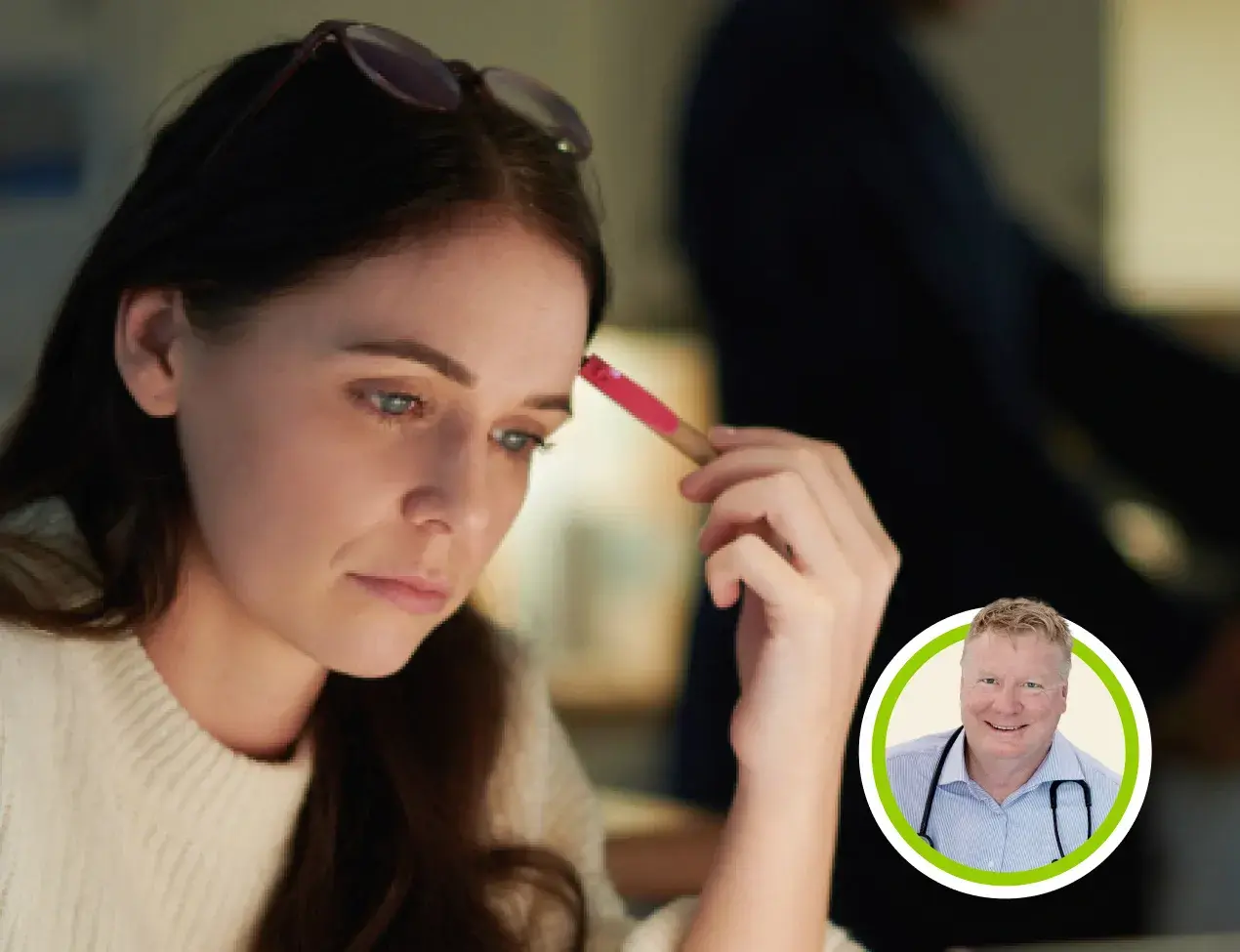
If you’re feeling mentally exhausted as well as experiencing cynicism and reduced effectiveness with your work, you could be burnt out
Does burnout affect anyone in particular?
Workplace burnout can affect anyone, but there are specific role-related factors that can contribute, like:
- unfair conditions and treatment
- lack of clarity on responsibilities
- lack of support or communication
- unmanageable workload and time pressure
How can I tell if I’m burnt out?
Maybe you feel like you might be experiencing ‘adrenal fatigue’ because you have symptoms like tiredness, body aches, low mood, nervousness and sleep disturbances. While these symptoms may be genuine, ‘adrenal fatigue’ is not an accepted medical diagnosis, and it’s advisable to visit your healthcare professional to investigate further.
Although many of us feel mentally exhausted and frustrated at times, Dr Rob says you need to look out for the other two criteria of burnout: cynicism about your role and reduced effectiveness in your role.
Note: If you are feeling exhausted, it might be a good idea to become familiar with the recommended vitamins to help manage tiredness and lack of energy.

It’s important to take regular breaks at work to avoid burnout
What are the 5 stages of burnout?
According to Dr Rob, the five stages of burnout are:
1. Honeymoon phase
This phase usually occurs with a new workplace or project, where you are full of excitement about your role. You’re stimulated and happy to take on more work.
2. Onset of stress
In this phase, you’re starting to feel stressed as well as irritable and anxious. You may also be losing optimism and job satisfaction.
3. Chronic stress
During this phase, you will feel frustrated and resentful, and you’ll also start to neglect your personal needs.
“When you start saying, I’m not gonna go to the gym or I can’t go away on the weekend with the family because I have to work, that leads to frustration, increased chronic stress, and then resentment,” Dr Rob says.
4. Burnout
During the burnout stage, you may start to experience physical symptoms like headaches and blurred vision, palpitations, apathy and despair. And, of course, exhaustion.
“When it comes to this phase, you may still be performing well at work, but you might also be going home feeling despair,” Dr Rob says.
5. Habitual burnout
At this stage, you’re generally no longer coping: you’re probably struggling to function, and other people are starting to notice.
If you think you’re in this phase, visit your healthcare professional for help.
Burnout recovery: what steps should you take to start feeling better?
As with most health concerns, the focus should be on preventing the issue in the first place.
But Dr Rob says, “once you feel the full symptoms of burnout with exhaustion and despair, or you’re struggling to function, that’s when you need to start talking to a professional about how to manage your burnout recovery.”
Through the burnout recovery stages, you may be advised to:
- mix up your work patterns by taking additional breaks, avoiding overtime and balancing work with life
- learn coping skills like conflict resolution or time optimisation
- reach out for social support
- adopt some relaxation strategies
- focus on good health and fitness
- see a counsellor
Take pre-emptive action to avoid becoming burnt out
It’s important to communicate with your workplace when you’re starting to feel overwhelmed. Employers have a responsibility to tackle this phenomenon at an organisational level – trying to manage with self-care alone may be challenging.
But on a personal level, Dr Rob recommends that you try to be insightful and recognise your limitations.
“It’s a challenge because we’re all capable of taking on extra stuff for a certain period of time, but none of us can do this forever,” he says. “Essentially, when we start noticing the onset of stress – and particularly chronic stress – we should deal with it then and there.”

A happy woman with dark curly hair is sitting on a sofa with a cup of coffee, smiling as she takes some time to relax
How long does it take to recover from burnout?
If you’re wondering how long it takes to recover from burnout, Dr Rob recommends patience.
“If you have reached stage four or five of burnout, you’ve got to give yourself time,” he says. “It took a long time to get here, so it’s going to take time to get out of it.”
Remember – everyone’s batteries can run out
Dr Rob points out that no one has infinite capability. “Even people born with enormous batteries still have a limit,” he says.
If you think you might be burnt out, make an appointment to visit your healthcare professional.
If you need more help or support with mental health, your healthcare professional can guide you on this too. You can also visit Beyond Blue for additional resources.
Related:
Dr Rob McCartney is a physician who has specialised in occupational and environmental medicine for over 20 years. His career goal is to maximise the health, wellbeing and productivity of working people. Rob is a passionate and highly experienced doctor with a track record of managing risk and solving problems at the worker/workplace interface.
Rob is a member of the healthylife Advisory Board.
Reviewed by the healthylife Advisory Board January 2023.
Related reads










This article is for informational purposes only and does not provide medical advice, diagnosis, or treatment. Any information published on this website or by this brand is not intended as a substitute for medical advice. If you have any concerns or questions about your health you should consult with a healthcare professional.