


Overcoming adversity: how to cruise through life's challenges

Key points for overcoming adversity
- Common forms of adversity include toxic work environments, medical emergencies and relationship breakdowns
- You can't control adversity but letting go of your resistance to it can help overcome it
- Developing a reflective practice can help in overcoming adversity
- You may need to seek professional help to help you overcome adversity
Everyone experiences adversity in life. And when you're going through it, overcoming adversity can feel completely overwhelming. That’s part of being human.
Speed bumps pop up in all areas of life. And the inspirational quotes about overcoming obstacles we often see on social media? They don’t always help, as dealing with adversity just isn’t that simple – and can cause significant stress.
We asked Consultant Psychologist Dr Bec Jackson to explain exactly what stress is, and some common examples of where it pops up in our lives. We also asked her how best to overcome adversity, and whether she had any practical tips.
What is stress?
Dr Bec describes stress as, “the extent to which you feel overwhelmed or unable to cope with stressors you consider unmanageable.”
Things that cause us stress can come from all aspects of life. For kids, a stressor might be related to school, friendships, getting sick or issues at home. For adults, stressors can include:
- a toxic work environment

- redundancy
- medical emergencies
- the death of a loved one
- relationship breakdowns
- moving house
- kids (we love them, we love them, but they’re definitely stressful!)
Dr Bec adds that while we can manage our stress, we can’t stop it from entering our lives. Instead, we have to learn how to deal with and overcome our challenges. And that, she says, is something we can control.
So how do you overcome adversity in life?
If you notice yourself feeling stressed, Dr Bec says the first step is simply to stop.
“Stop and allow yourself to notice the thoughts, feelings and reactions you’re having. This can be completely overwhelming at first, but that’s OK. If you resist stressful events, you actually magnify the suffering they’re causing you.”

For this, Dr Bec refers to Dr Kristen Neff’s research on self-compassion and suffering. In her research, Dr Kristen defines ‘suffering’ as ‘pain multiplied by resistance'.
You can’t always control pain (either emotional or physical). But you can control your resistance to it. When you stop resisting an obstacle in your life, you reduce the suffering you experience around it.
Dr Bec’s second step is then to take some big, deep breaths and ask yourself, “What do I need right now?”
The answer to that question will vary from person to person and situation to situation. You might want to:
- talk the situation out
- take a nap
- go for a walk
- seek professional advice
It’s about giving yourself whatever self-care you need at that moment.
Finally, once you feel a little calmer and more in control, Dr Bec recommends asking yourself, “What do I need next to move beyond here?”
It can be easy to think that your current roadblock is a dead end. But it’s important to find some perspective and remember that whatever you’re experiencing is simply one of life’s ups and downs.

Things that cause us stress can come from all aspects of life, and can impact our mental wellness.
Let’s look at some top tips on overcoming adversity from Dr Bec:
1. Examine your mindset
Stress comes from our life experiences, beliefs and narratives, Dr Bec says. It then filters across our thoughts, feelings and actions. To change your mindset, she suggests focusing on abundance instead of scarcity. Also, try developing a growth mindset instead of a fixed one.
2. Stay true to your values
Living with integrity and making value-based decisions can feel stressful in the short term. But Dr Bec says that we suffer long-term toxic stress if we live in conflict with our values.
So as you identify ways to deal with challenges or overcome hurdles in life, make sure that you choose options that align with your personal values.
3. Live and lead with purpose
Next, Dr Bec recommends identifying and connecting with a sense of purpose in your life. That purpose can help to guide you when, for example, you need to deal with a challenge at work or in the rest of your life.
4. Developing a reflective practice can help with overcoming adversity
Reflecting allows you to process difficult emotional experiences in a healthy way, increasing your self-awareness and ability to overcome adversity in life. To enhance your ability to reflect, Dr Bec suggests trying:
- journaling
- creative writing
- meditation (see tip 7 below)
- peer coaching
- mentoring
5. Cultivate gratitude
Dr Bec recommends combining gratitude with reflection as a journaling practice. This reduces stress, which in turn can make the experience of overcoming adversity feel less difficult in the moment.
6. Pay attention to your ‘personal operating system’
This tip is about reducing your mental load, says Dr Bec. Many tools and strategies to manage stress will also help you to establish good time management skills and task discipline. This – in turn – means you need to spend less time and effort on day-to-day tasks, leaving you with more mental resources for overcoming the challenge.
7. Establish healthy habits to help you overcome adversity
Healthy habits help you to increase your stress tolerance and personal resilience. At the same time, they can moderate the impact of stress on your health.
Some healthy habits that Dr Bec recommends include:
- Healthy sleep. Good sleep is important to help us prepare for the following day. There are also bedtime routines that can help you to sleep well.
- Balanced nutrition, reduced caffeine and reduced alcohol. It’s tempting to reduce stress by drinking alcohol, eating too much junk food, or jumping on the latest fad diet or detox. But these can all put more stress on our bodies.
- Increased water intake. Water is so important for our health. And it can be easy to incorporate it into our daily lives.
- Exercise. You don’t need to be a gym junkie to exercise every day. You could try yoga, Tai Chi, walking (fresh air is a great way to clear your head), team sports, or just getting more incidental exercise into your day.
- Recreation. Our day-to-day lives can be extremely busy, so it’s super important to have some fun as well.
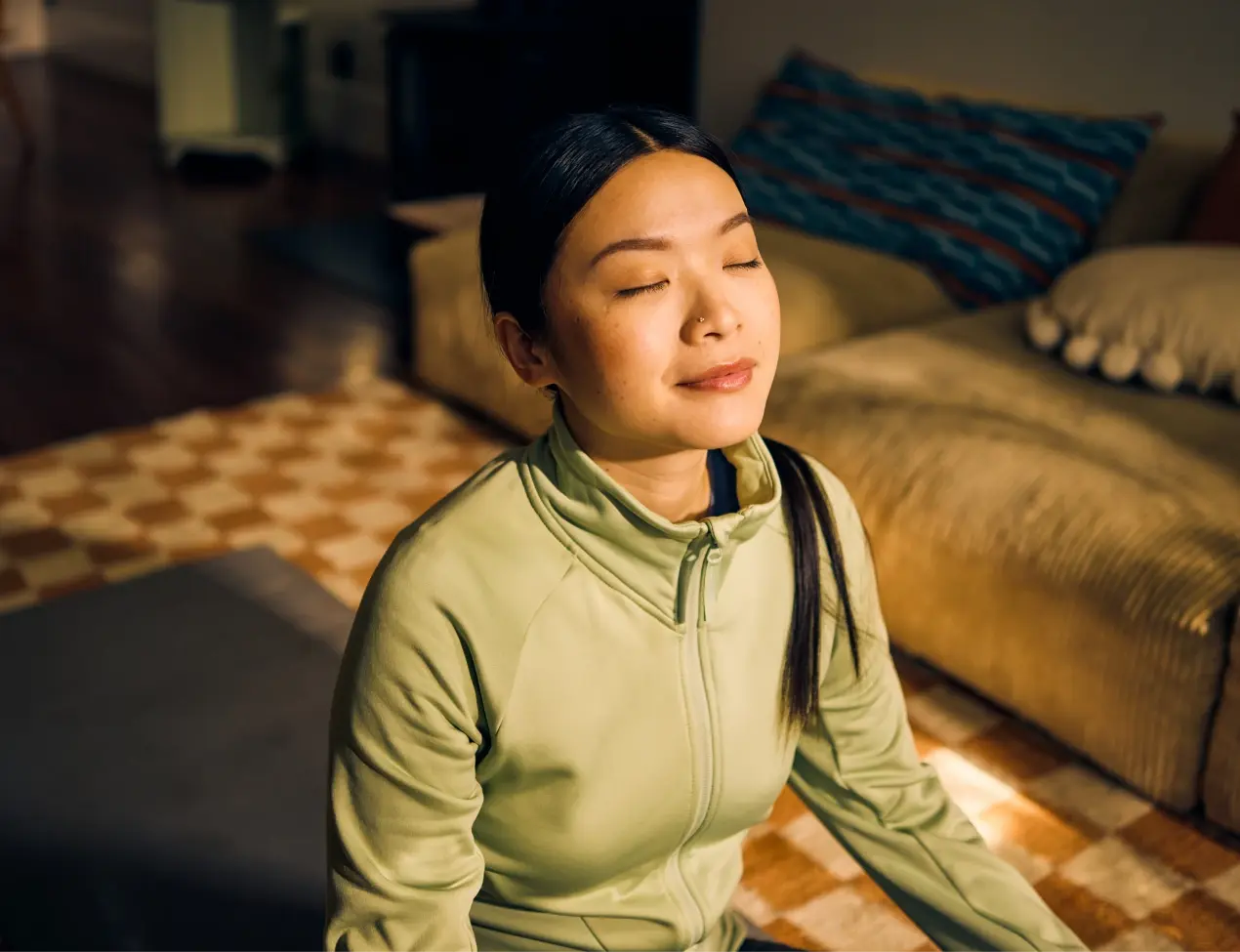
- Meditation. There are many different forms of meditation that range from simple breath focus to walking and Qi Gong.
8. Practise mindfulness
Mindfulness is the ability to focus our attention on whatever is right now, rather than be distracted by what isn’t. Dr Bec says that this can be a powerful antidote to stress, and it’s something she loves practising herself.
9. Practise acceptance
Acceptance is an active willingness to recognise whatever your experience is right now without wishing or longing for it to be different. It’s also about acknowledging that everything – both good and bad – can be temporary.
Dr Bec says that another way of looking at this is, “being able to ‘sit with’ your stress and choosing your actions from that place”.

Reflecting allows you to process difficult emotional experiences in a healthy way, increasing your self-awareness and ability to overcome roadblocks in life.
Where can I get professional help?
Sometimes it’s difficult to establish a positive routine or learn new skills that reduce the impact of life’s speed bumps. And that’s OK.
Dr Bec emphasises that there’s no shame in seeking professional help to learn the tools you need to cope better with life’s challenges. Your GP is a great first stop: they may recommend medication or natural therapies. Alternatively, they may refer you to a psychologist who can teach you different ways of overcoming adversity.
Regardless: you don’t have to feel guilty if you can’t do it alone.
Related:
- Sleep for women: how to get better rest and improve your health
- How to boost your energy levels when you’re tired
- 9 tips to improve your focus and be more productive
Dr Bec Jackson is a Consultant Psychologist with 20 years’ experience across clinical psychology, academia, therapy and education in clinical, forensic and organisational psychology.
Reviewed by the healthylife Advisory Board June 2021
Related reads










This article is for informational purposes only and does not provide medical advice, diagnosis, or treatment. Any information published on this website or by this brand is not intended as a substitute for medical advice. If you have any concerns or questions about your health you should consult with a health professional.