


We chose 8 of our favourite eco-period products

Today we’re chatting about eco-period products because many of us are interested in reducing our environmental impacts on the world around us.
Before we dive in, we just want to acknowledge that this isn’t the only pressing issue around menstruation in Australia. And we definitely don’t want to add any shame to the conversations about periods or sanitary choices.
We’re just here to let you know about a few cool new eco-period products we love - from organic pads to what we believe is the best period underwear in Australia.
OK, let’s do this.
Clean Up Australia estimates that there are around 6 million menstruators in Australia.
Each of those people will have something like 459 menstrual cycles in their lifetime. If each of them uses disposable period products, it’s not hard to look at those numbers and do the maths. It means a huge amount of products being manufactured, consumed and disposed of.
So why is this a problem? Many disposable sanitary products contain plastics – and according to one study, many of us were not aware of just how much plastic is involved.
The good news is that there are a bunch of great options on the market that are either reusable or organic, and in this guide, we want to celebrate those products.
Eco-period underwear and reusable pads
If you’re interested in using period underwear or reusable pads, we have a few faves that we’d love to share.
Pelvi Underwear Leakproof Bikini Black Leakproof Underwear uses four super-absorbent layers to hold up to 20ml of fluid. The moisture-wicking layer also draws sweat and discharge away from your skin to keep you fresh.
But the really impressive thing is that at only 2.5mm thick, they’re slimmer than a regular pad. Not bad, right? And if you prefer more coverage, they’re also available in a full brief.
If you’re more of a pad fan, a new addition to the Pelvi range is their reusable pads. Pelvi Reusable Pads contain no harsh chemicals or irritating synthetics like some disposable pads can. The absorbent microfibre layer keeps you leak-free all day. Each pad holds 40ml, and features a snap-wing design to keep it from moving around.
Shop eco-period underwear and reusable pads
Menstrual cups

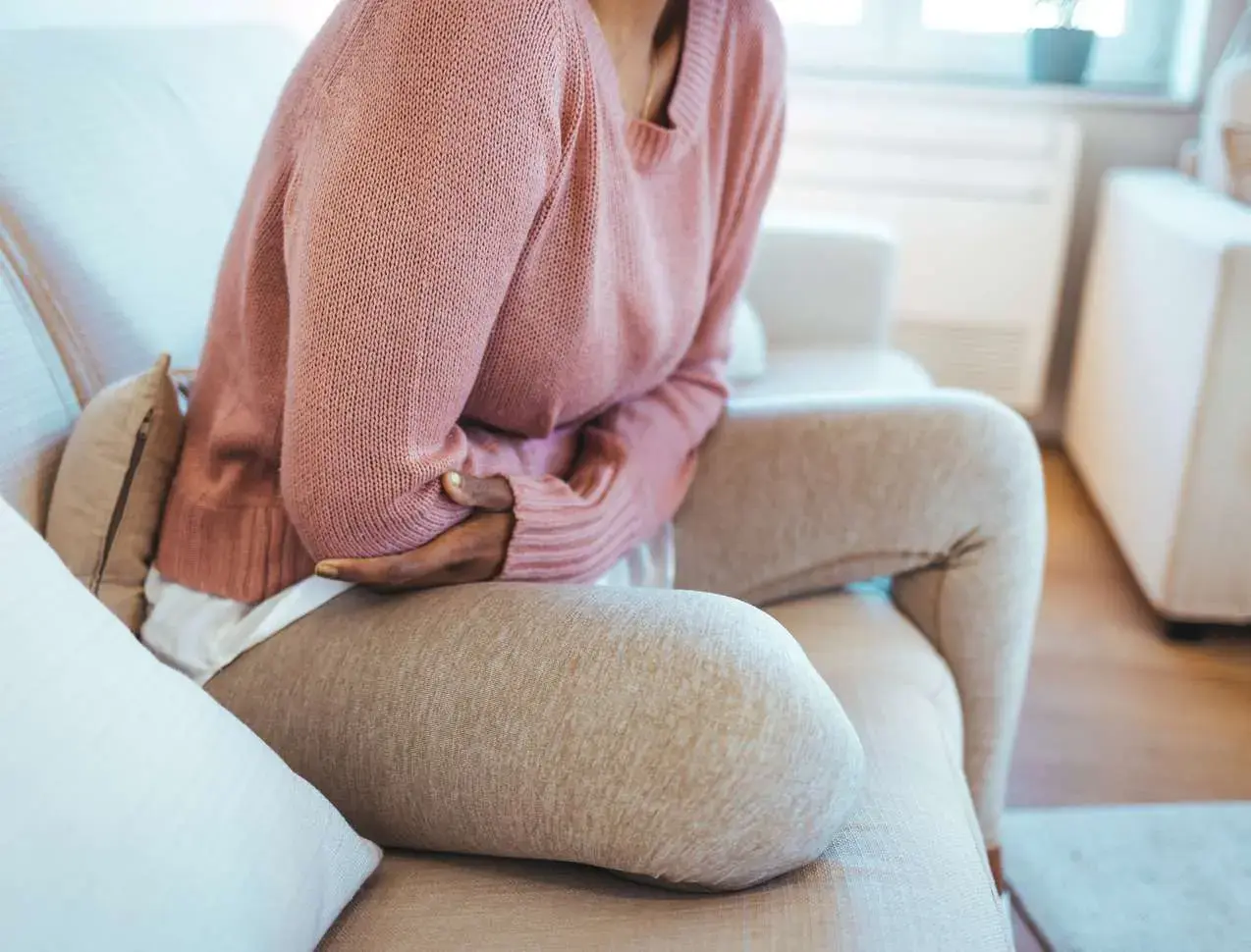
Many disposable sanitary products contain plastics, whereas eco period products can help to reduce environmental impacts.
Have you ever tried a period cup? It’s an absolute gamechanger. When it comes to long-lasting eco-friendly period options, there’s little better. Here are our picks for two of the best menstrual cups in Australia.
We love the TOM ORGANIC The Period Cup for its 100% medical-grade silicone and unique finger indents to make insertion and removal easier. Each cup also comes with an easy-to-use microwave steriliser case as well. Better yet, each cup lasts up to five years, and they’re manufactured on a machine that leaves no waste-offcuts. How’s that for eco-friendly?
Another fave is the Pelvi Menstrual Cup, which lasts for six years. It’s easy to use, comfortable and will cover you for up to eight consecutive hours.
Shop menstrual cups
Organic tampons and pads

Organic tampons use cotton that’s grown without artificial pesticides which may be suitable for sensitive skin.
If reusable period products aren’t right for you, you can still choose more eco-friendly disposable products. SO many brands are starting to realise how problematic plastics are, and are offering products that are lower in plastic and unnecessary chemicals. Here are three we particularly love.
Organyc Tampons are made from organic cotton that’s grown without artificial pesticides, meaning they’re all-natural and suitable for sensitive skin.
Organyc also makes Ultra Thin pads from 100% organic cotton, which are great if you have a heavy flow. And Organyc takes their eco-friendliness seriously – even the adhesive is non-toxic and biodegradable.
Or, if you have a lighter flow (or want some backup for your tampon or cup), TOM ORGANIC Panty Liners (Wrapped) Ultra Thin Liners for Everyday are an excellent option. They’re also made from 100% certified organic cotton, and are hypoallergenic and biodegradable.
Shop organic tampons and pads
Keep your eyes open
We’re excited to keep bringing you new developments in the world of period care. So if you’re someone who bleeds, watch this space.
Related:
- The best natural deodorants
- What are periods and how to support cycle health
- Best skincare for sensitive skin
Reviewed by the healthylife Advisory Board February 2022.
Related reads









This article is for informational purposes only and does not provide medical advice, diagnosis, or treatment. Any information published on this website or by this brand is not intended as a substitute for medical advice. If you have any concerns or questions about your health you should consult with a health professional.