


Is Andrographis safe? What to know about the recalls.
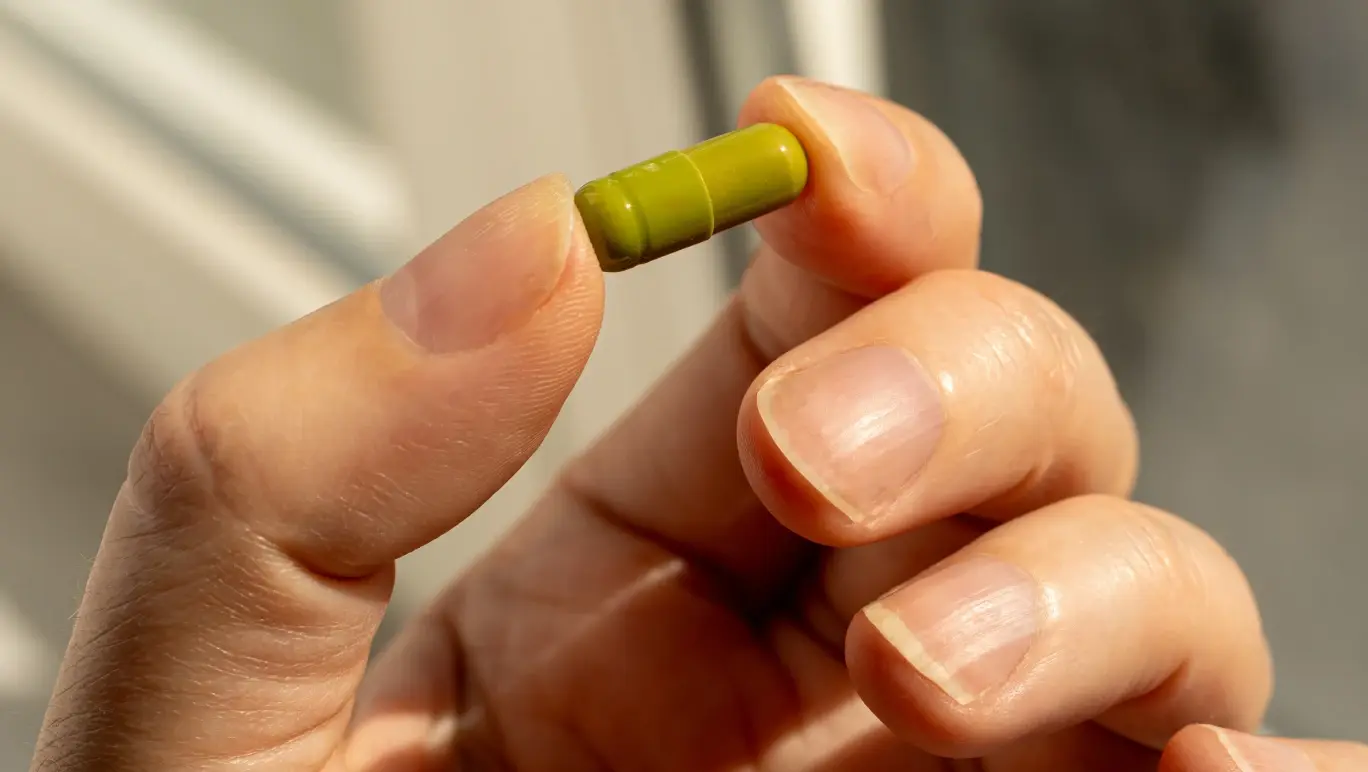
Taking andrographis for immune support or cold and flu symptoms? Here's what you need to know about the latest safety advice, which products have been recalled, and what to consider instead.
What’s changed?
Andrographis is a herbal ingredient found in some popular cold and flu supplements in Australia. But following reports of serious allergic reactions (including life-threatening anaphylaxis), Australia’s health regulator (the TGA) has stepped in to tighten the rules and several specific products have been recalled (as of October 2026).
What is andrographis?
Andrographis (Andrographis paniculata) is a medicinal plant traditionally used in Indian and Chinese medicine. Sometimes called the “king of bitters” because of its distinctly bitter taste, the herb has a long history of use in traditional herbal preparations.
In Australia, andrographis has commonly been included in herbal supplements for immune support and relief of cold and flu symptoms. You'll often find it combined with other ingredients, such as echinacea, vitamin C or zinc in multi-ingredient formulas.
This means you might not realise you're taking andrographis if you're using a product marketed simply for immune health or seasonal wellness.
What is andrographis used for?
Traditionally, andrographis has been used to help relieve symptoms associated with the common cold, flu, sore throat and mild fever. Today, it's commonly used for immune support and respiratory health.
What are the side effects of andrographis?
Reported adverse reactions associated with andrographis-containing medicines include allergic reactions and anaphylaxis (a severe, potentially life-threatening medical emergency).
The TGA has also required product labels to warn about taste disturbances, including loss of taste.
Signs of an allergic reaction can include itching, a rash or swelling. More severe symptoms may develop quickly.
Call 000 immediately if you suspect anaphylaxis. Warning signs can include:
- Difficulty breathing or noisy breathing
- Swelling of the tongue or tightness in the throat
- Wheezing or a persistent cough
- Difficulty speaking or a hoarse voice
- Persistent dizziness or collapse
Don't wait to see whether severe symptoms settle on their own. For further information, see the TGA's andrographis safety advisory.
What is the latest safety update about andrographis?
The TGA has been monitoring safety concerns linked to andrographis for years. But despite adding mandatory warning labels in 2019 to alert consumers to the risk of allergic reactions, severe reactions have continued to be reported.
According to the TGA’s updated safety review, 287 reports of anaphylaxis associated with medicines containing andrographis had been received up to 31 December 2025, including one fatal case reported in 2024.
While these reports don’t prove that andrographis caused every reaction, the number and severity of cases have raised significant safety concerns.
What’s key to note: The TGA also found that serious allergic reactions can be unpredictable. Some people experienced anaphylaxis the first time they took andrographis, while others reacted after taking it previously without any problems.
The evidence also didn’t identify a particular dose or type of andrographis extract that could reliably be considered lower risk.
As a result, the TGA is no longer allowing andrographis supplements to go without individual safety checks. Most herbal products are sold as listed medicines without the TGA assessing each product individually for safety and effectiveness before it reaches the shelves. But going forward, andrographis products will now face much stricter checks.
What does the TGA decision mean?
From 17 September 2026, supplements containing andrographis can no longer be sold as listed medicines or supplements. Instead, manufacturers wanting to sell supplements containing the ingredient will need to apply for TGA registration. This involves a more rigorous assessment of each supplement’s safety, quality and effectiveness before it can be sold.
So what does this mean for you?
You’re likely to see fewer new supplements containing andrographis on shelves as brands are being asked to recall their current products. Andrographis may still be used in supplements or medicines that meet the TGA’s registration requirements, but this may take some time as brands will need to submit their products to the TGA for more rigorous testing and approval.
Which andrographis supplements have been recalled in Australia?
Recall instructions and affected batches can vary by product. It is important to check the most updated list of brands located on the TGA's recall notice for the specific product you have.
If you have a recalled product, do not take it. Follow the return instructions in the recall notice or contact the supplier or place of purchase about returning it.
Purchased from Healthylife? Reach out to our customer care via email at care@healthylife.com.au.
What should you do if you've already been taking andrographis?
If you're taking a supplement containing andrographis, it's worth checking the ingredient list and reviewing the latest TGA recall information.
- If your product has been recalled: Stop using it and follow the recall instructions.
- If your product hasn't been recalled: Consider whether you still need to take it and speak with your pharmacist, GP or other qualified health professional about your options.
- If you've experienced a possible allergic reaction: Stop taking the product and seek medical advice. If you have symptoms of anaphylaxis, call 000 immediately.
It is important to note that even if you have taken it before without a reaction, there is still a possibility of an allergic reaction.
What are the alternatives to andrographis for cold and flu support?
Supporting your immune health starts with the basics: prioritise sleep and rest, eat a balanced diet, and make sure you're getting enough immune supporting nutrients like vitamin C, zinc and selenium, alongside gut-supporting probiotics where appropriate.
But if you're looking at herbal options for cold and respiratory symptoms, these are worth knowing about:
- Elderberry: Traditionally used for cold and flu symptoms, and research suggests it may help to support upper respiratory tract symptoms.
- Echinacea: One of the most commonly used immune herbs that has a long history of use to help support the immune system. However, echinacea also has the potential to cause serious allergic reactions, including anaphylaxis, so it’s important to speak with your healthcare practitioner before using.
- Olive leaf extract: Rich in phenolic compounds and flavonoids that help to support the immune system and reduce inflammation.
- Pelargonium sidoides: Studied for cold symptoms and respiratory infections, this herb may help to support the immune system during times of sickness.
No supplement is a magic shield, and these herbs aren't direct replacements for andrographis. A pharmacist or qualified health professional can help you choose what's appropriate for you.
The bottom line
Andrographis is commonly found in supplements for immune and cold and flu support, but ongoing reports of serious allergic reactions means the TGA is changing how it can be used in medicines. Check your supplement ingredient labels and the latest recall notices, and speak with a health professional if you're unsure what to do. When it comes to your health, an ingredient's herbal origins don't automatically make it risk-free.
Reviewed by the Healthylife health experts October 2026.
Related reads












This article is for informational purposes only and does not provide medical advice, diagnosis, or treatment. Any information published on this website or by this brand is not intended as a substitute for medical advice. If you have any concerns or questions about your health you should consult with a health professional.
About this article

Gabbie Watt
A bachelor degree qualified Naturopath, Gabbie is passionate about integrating evidence-based practice and traditional medicine. Formerly a Radiation Therapist, her background in conventional medicine enriches her holistic health approach.