


Stay sun-savvy with these 7 natural sunscreens
It can be hard to know where to start when it comes to choosing a ‘natural’ sunscreen because, technically, everything on Earth is made of chemicals.
So, what makes them 'natural’?
The term ‘natural’ sunscreen is not regulated. It’s more of an umbrella term used to describe sunscreens with minerals like zinc oxide and titanium dioxide as their active ingredients. This is compared to ‘chemical’ based sunscreens that use ingredients like avobenzone, octinoxate and homosalate.
It’s these mineral types of sunscreens we’ll be talking about in this article. But first, a quick refresher on how sunscreen works.
How does sunscreen work?
OK, so this is pretty simplified, but basically, there are two types of sunscreens:
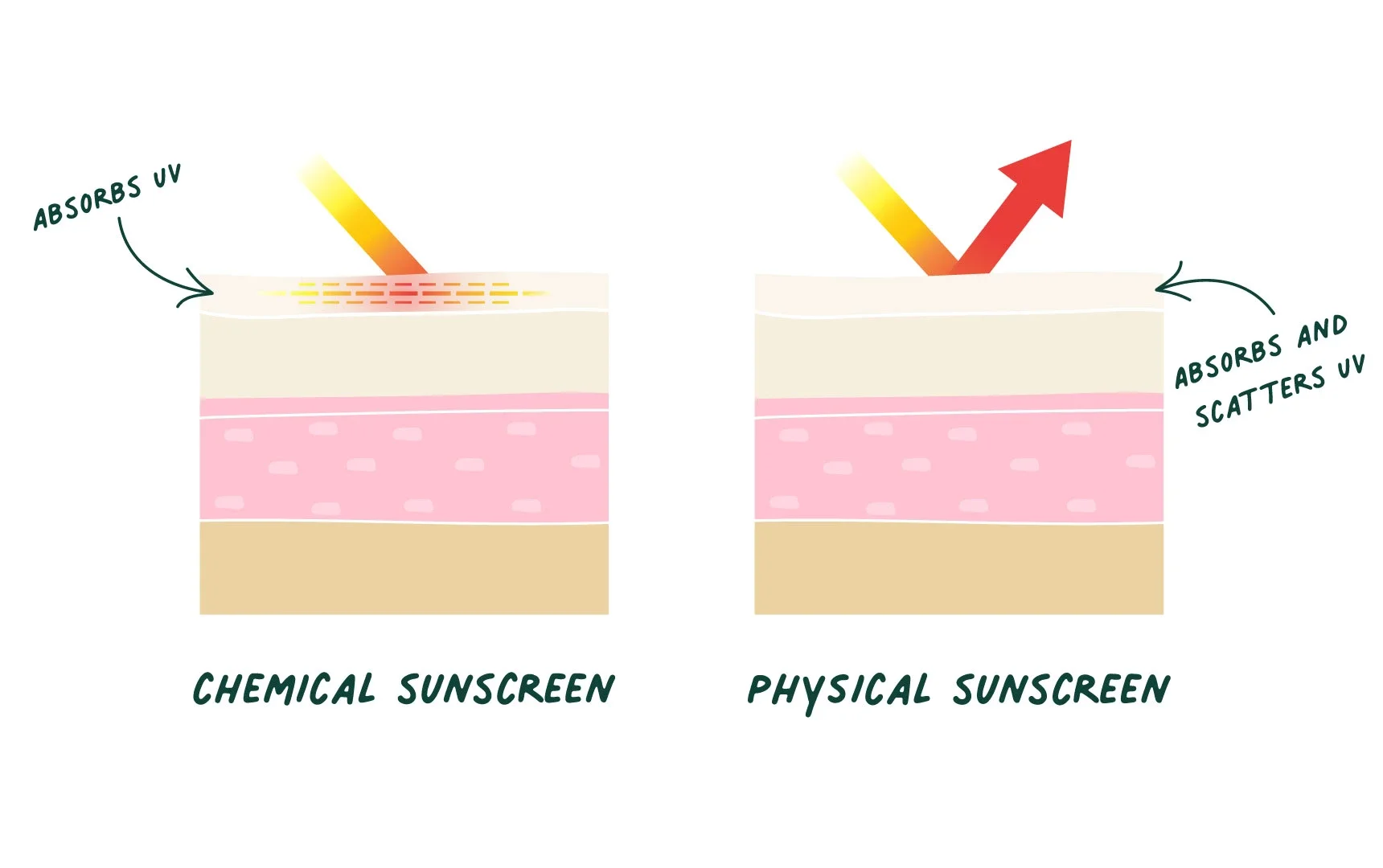
- Chemical sunscreens work to protect you from sun damage by absorbing the ultraviolet (UV) rays. They contain a chemical that captures the UV and transforms it into heat before it gets the chance to damage your skin. Pretty cool, right?
- Mineral sunscreens work to protect your skin from sun damage by absorbing and scattering UV rays. The main ingredient is often a mineral such as zinc oxide and titanium dioxide. As we mentioned above, most of the ‘natural’ sunscreens fall into this category.
Does natural sunscreen work as well for UV protection?
Because there are specific standards and regulations for measuring sun protection in Australia, all types of sunscreen have a number reflecting their sun protection factor (SPF).
As long as sunscreen is approved for use in Australia and meets the following requirements, Cancer Council says, “the brand or ingredients you choose is up to you”:
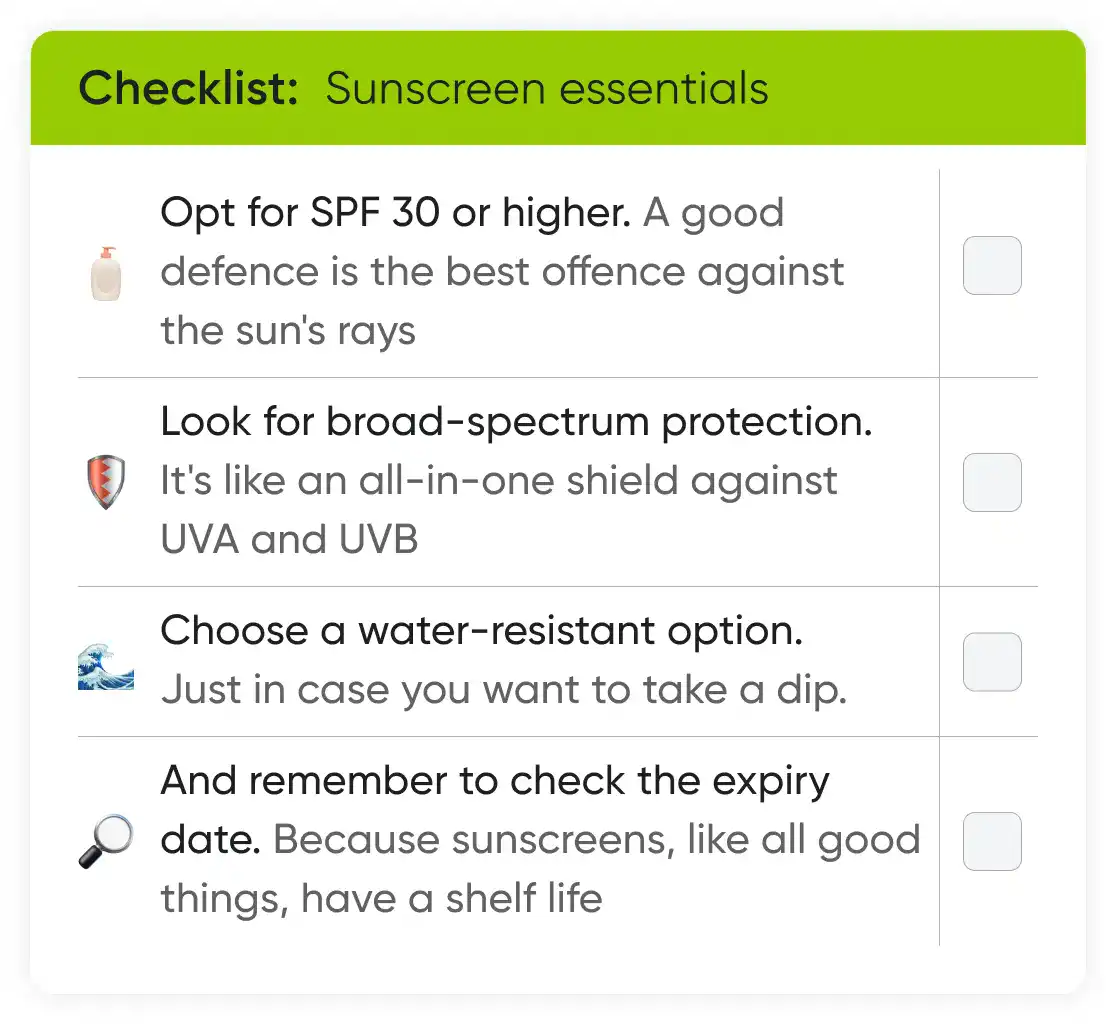
Another important requirement to check is that your sunscreen is listed with the TGA. Look for an AUST-L or AUST-R number on the front of the pack.
Natural sunscreens for your face
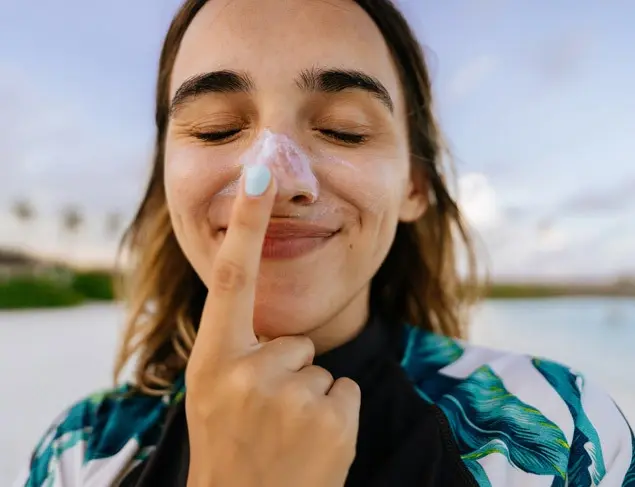
Because of the ingredients in mineral sunscreens, they often feel a bit thicker and aren’t as transparent as chemical formulas. This is why we love a tinted option in face sunscreen.
Natural sunscreens for babies and kids
Because their skin is thin, sensitive and can burn easily, the SunSmart website recommends that babies:
- under 12 months “be kept in dense shade and out of direct sun during the daily sun protection times (when the UV is 3 or higher)”
- be “well protected from UV radiation by clothing, hats and shade.” That way, you may only need to apply sunscreen occasionally on very small areas of your bub’s skin.
For the areas of your baby’s skin that clothes can’t protect, SunSmart recommends choosing sensitive or toddler sunscreens. Why? Because these mineral sunscreens often use reflecting ingredients like zinc oxide and tend to avoid ingredients that may cause skin reactions.
We love that there are so many options on the market for natural sunscreen because it’s a super important part of sun protection. But remember, use sunscreen as part of an overall sun safety plan. Don’t forget to slip, slop, slap, seek and slide.

Related:
- Mineral vs chemical sunscreens: what you need to know
- What is SPF?
- Everything you've ever wanted to know about sunscreen
Reviewed by the Healthylife Advisory Board December 2021.
Updated October 2025.
Related reads






This article is for informational purposes only and does not provide medical advice, diagnosis, or treatment. Any information published on this website or by this brand is not intended as a substitute for medical advice. If you have any concerns or questions about your health you should consult with a health professional.