


PCOS and IBS: How to cope when you have both

Polycystic Ovarian Syndrome (PCOS) affects 10 percent of women during their reproductive years. Did you know that women with PCOS may have a higher prevalence of Irritable Bowel Syndrome (IBS) according to a 2010 study?
What is PCOS? Here is a quick run down.
PCOS is a complex condition with hormonal, metabolic and emotional implications. Research published in The Journal of Clinical Endocrinology & Metabolism found that it can take up to two years for women to be diagnosed, with around 70% of sufferers still not aware they have PCOS. To be diagnosed you must present with the following symptoms of PCOS:
- Hyperandrogenism (high levels of male hormones)
- Acne, male-pattern hair growth, abdominal obesity, alopecia
- Menstrual Problems
- Lack of period or irregular periods
- Polycystic ovaries on pelvic ultrasound
- 12 or more follicles on each ovary
PCOS and IBS – same but different.
It is not uncommon for women with PCOS to report symptoms of IBS including bloating, constipation/diarrhoea, stomach and pelvic pain. Alongside the possibility of these gastrointestinal symptoms, PCOS is also associated with poor blood sugar control, difficulty losing weight, reduced fertility and poor body image. The good news is diet can play a role in helping to manage the symptoms of PCOS and IBS.
Control your PCOS and IBS with what you eat!
If you are overweight, a 5-10% weight loss can reduce male hormone levels, regulate your period and improve fertility.
GOAL: Maintain a healthy weight and manage gut symptoms.
HOW?
- Low GI, high fibre foods: these keep you feeling fuller for longer and help to control blood sugar levels
- Base meals around vegetables, plant proteins and fruit: these are low in energy and full of nutrients
- Avoid processed foods and those high in added sugars and fats: these are high in energy and low in nutrients
BUT…. to manage IBS symptoms try putting a low FODMAP spin on these types of foods.
HOW?
- Low GI, high fibre: Sourdough bread, quinoa, 1/2 a cup of rolled oats or low FODMAP natural muesli
- Vegetables, wholegrain and fruit: Eggplant, beans, boy choy, tofu, grapes, orange, strawberries
- Healthy snacks: Dark chocolate or macadamias
Everyone’s symptoms are very individual so while these tips may help some people, the best thing you can do is see an IBS trained dietitian who can provide tailored advice. You can also sign up to the FODMAP Challenge to get some great meal plans, recipes, guidance and support from specialist dietitians and a community of members who have tried it.
Don’t let PCOS and IBS symptoms rule your life – choosing the right foods can make a world of difference.
Need help with the low FODMAP diet? Our FREE dietitian developed program will guide you through it, step-by-step. Includes a low FODMAP food guide. Sign up now.
If you are experiencing gut symptoms and have not been recommended a low FODMAP diet by a health professional, get started with the manage your gut symptoms program.
Reviewed by the healthylife Advisory Board March 2022
Updated September 2022
Related reads

Endometriosis, IBS and the low FODMAP diet
Endemetriosis and IBS share similar symptoms, despite being different diseases. A low FODMAP diet can help to manage both endmetriosis and IBS symptoms.

Low FODMAP grains
Grain products can irritate IBS symptoms, but also provide health benefits. Discover low FODMAP grains, and how to include them in low FODMAP dishes today!
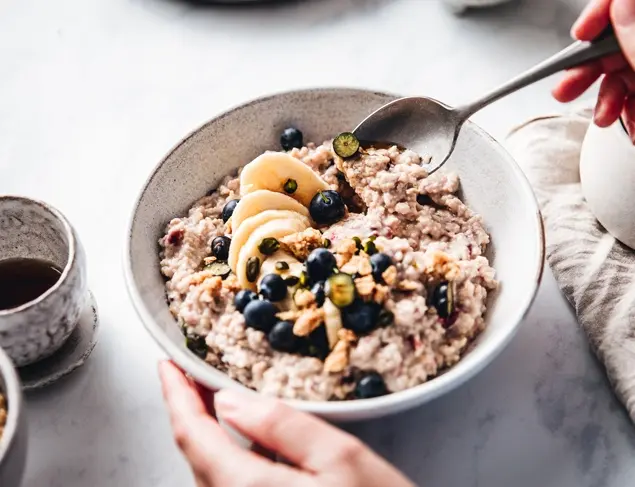
Porridge – a low FODMAP winter warmer
Porridge is a staple during winter. Discover our guide to make low FODMAP porridge and get inspired by our favorite porridge combos. Click here to learn more!

Low FODMAP Diet: What is it and how does it work?
If you’re curious about the low FODMAP diet and how it works, our guide explains the ins and outs, including the benefits of the diet and low FODMAP foods.
FODMAPs and fibre - getting the balance right
How can you get enough fibre on a low FODMAP diet? Here’s everything you need to know.

The Low FODMAP diet for children
Eating a low FODMAP diet can be challenging for children. Get tips from expert FODMAP dietitian Chloe Mcleod on the foods your child can eat and what they should avoid.

Is this the year you get on top of your IBS?
If you’ve been putting off getting on top of your IBS, make 2022 the year to do it. It’s a fresh start to a new year, so what better time to take control of your health.
What to expect when starting a low FODMAP diet
Starting a low FODMAP diet to manage your IBS? Starting a diet is difficult. Learn what to expect and what to do when starting a low FODMAP diet here.

Is bloating a symptom of wheat intolerance?
If you’ve ever suffered from bloating, you know it can be uncomfortable, even painful, as well as frustrating. But is wheat really causing the issues? Find out more.
Could good food lead to a good mood?
There is increasing evidence to suggest that improving your diet may improve mental wellbeing, but how?
This article is for informational purposes only and does not provide medical advice, diagnosis, or treatment. Any information published on this website or by this brand is not intended as a substitute for medical advice. If you have any concerns or questions about your health you should consult with a health professional.