


How to use a weighted blanket to bring calm to your life

Key points about how to use a weighted blanket
- Weighted blankets were invented in 1997 as a therapeutic tool
- The pressure from a weighted blanket may help calm the autonomic nervous system
- Ideas on how to use a weighted blanket vary depending on your circumstances
- You can use a weighted blanket for meditation, for kids to relax after school or to help you sleep better at night
A weighted blanket is exactly what it sounds like: a blanket that’s ‘weighted’ with one of various types of filler. It contains small compartments filled with tiny beads – often glass or plastic – and can come in different sizes and weights.
The outer material of a weighted blanket can also be made from different types of fabric – anything from plain, simple cotton to soft, strokable mink fabric.
Originally developed as a therapeutic tool, weighted blankets have recently taken off in popularity. You can now find them in many shops and online.
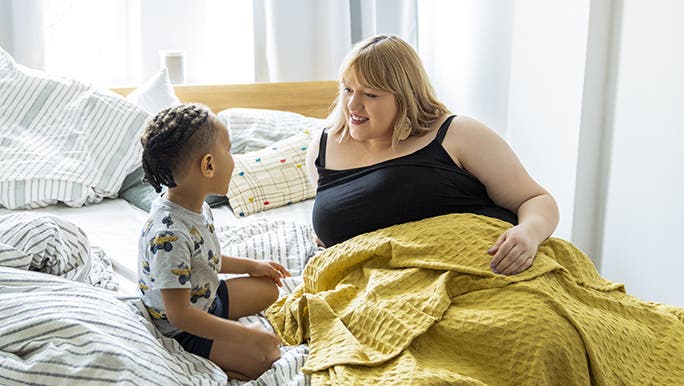
Therapists have used weighted items for many years to help clients with a variety of symptoms.
Why use a weighted blanket?
Therapists have used weighted items for many years to help clients with a variety of symptoms. Research into the use of weighted blankets for symptoms of anxiety and problems sleeping is still evolving. Items have included:
- weighted vests that clients can wear
- weighted animals they can cuddle
- weighted bands they can put over their knees or shoulders

Weighted blankets were invented in 1997. The creator, Keith Zivalich, realised that the sensation of a beanie baby on his neck felt like a nice hug. The blanket developed from there, to meet the same need for deep pressure input all over the body.
One theory is that the pressure from the weight may help to calm the autonomic nervous system. This may help to reduce anxiety symptoms and may support people in focusing more easily.
Deep pressure may also help to switch the body from using its sympathetic nervous system (its natural alert system) to its parasympathetic nervous system. Another way to see this is switching from ‘fight or flight’ mode to ‘rest and digest’ mode instead.
This switch can help to bring peace and calm to an otherwise overstimulated, restless system.
Many people who experience anxiety also have issues with sleeping at night. They may find that a weighted blanket gives this kind of deep pressure, and brings a sense of calm and relaxation with it. Some describe it as feeling like getting a big hug while they drift off to sleep.

Originally developed as a therapeutic tool, weighted blankets have recently taken off in popularity.
How to use a weighted blanket: things to think about
- Safety: while you can find DIY blanket instructions on the internet, be careful. If you don’t make your blanket correctly, the weighting pellets could become a choking hazard. Unless you’re an expert with a sewing machine, it's probably best to seek out a reputable manufacturer.
- Washability: due to their weight, these kinds of blankets can be hard to wash. Check to see if your washing machine has a weight limit: larger blankets used without washable covers may be heavy enough to damage your machine.
- Size compatibility: if the blanket you want doesn’t come with a washable cover, choose a size that matches your current duvet size. That way, you can use your current bedding over the blanket, rather than having to buy special covers.
- Children: always consult your doctor or paediatrician if you’re considering a weighted blanket for kids. The extra weight can pose a threat if your child can’t move the blanket while they’re asleep. Your health professional will be able to give you the best advice for your situation.
- Breathing conditions: if you experience certain respiratory conditions, such as asthma or obstructive sleep apnoea, ask your GP or health professional for guidance. It’s possible that the blanket’s excess weight may aggravate your condition.

Deep pressure may also help to switch the body from using its sympathetic nervous system (its natural alert system) to its parasympathetic nervous system.
How to use a weighted blanket: 4 ideas
Massage therapists use deep pressure in therapeutic settings like remedial massage therapy, so it stands to reason that weighted blankets could be useful in other deep-pressure situations too. Consider:
- Meditation: try putting the blanket on your lap when you’re meditating. The added weight may help to calm your body as you start meditating to calm your mind.
- Daily use: don't limit weighted blanket use to the bedroom. If your child finds the extra weight soothing, the blanket may be useful elsewhere in their life when they feel anxious, such as after school. Knowing that they have something to help them feel calm may help them to build resilience and feel more confident.
- Evening routine: if you experience problems with sleep, adding ‘weighted blanket time’ to your night-time routine may help you to wind down into sleep mode. Getting a restful night’s sleep then goes a long way towards helping to improve your mental wellbeing.
- More restful sleep: if you have symptoms associated with restless legs, a weighted blanket might help by adding extra pressure to switch on your parasympathetic nervous system.

Some describe it as feeling like getting a big hug while they drift off to sleep.
Do weighted blankets really work?
At this point, scientific research around weighted blankets remains inconclusive. However, the rise in their popularity shows that they’re very appealing, with many people reporting that they’re a comforting, soothing way to relax.
If you’re unsure of whether a weighted blanket is right for you, perhaps discuss your needs with a health professional and see if they have one you can borrow. That way, you can ‘try before you buy’.
Related:
- How to overcome challenges when life hits a speed bump
- What is mindfulness and how do I get started?
- Sleep for women: how to get better rest and improve your health
Reviewed by the healthylife Advisory Board July 2021.
Related reads









This article is for informational purposes only and does not provide medical advice, diagnosis, or treatment. Any information published on this website or by this brand is not intended as a substitute for medical advice. If you have any concerns or questions about your health you should consult with a health professional.