


Your guide to living a low FODMAP Christmas

The silly season is upon us and we’re here to make sure you enjoy it - even if you have been recommended a low FODMAP diet by your healthcare professional to help manage medically-diagnosed irritable bowel syndrome (IBS).
Here are our top tips for living a low FODMAP Christmas - stress free and full of joy!
Choose low FODMAP meals when dining out
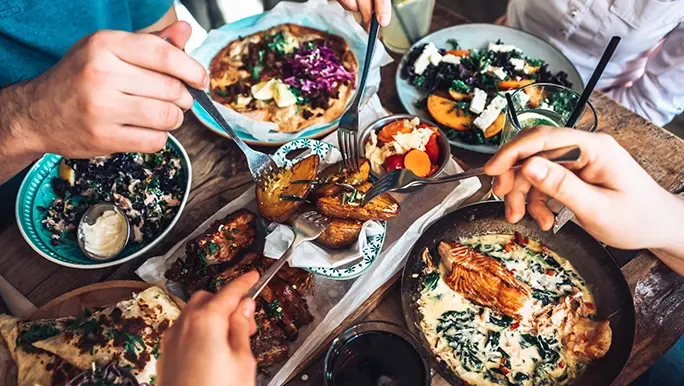
You don’t have to say no to that dinner or lunch invitation. Here’s our guide to choosing low FODMAP meals at restaurants and cafes:
- Steak or grilled fish with salad or steamed veg is a great option. Ask for the sauce on the side and for low FODMAP vegetables like broccoli and carrot. Use our low FODMAP vegetable guide for making your selections.
- Sushi and rice paper rolls are a summer classic. Choose plain fillings like salmon, vegetarian or tuna with low FODMAP vegetables like cucumber and carrot. Keep an eye out for the dipping sauces - plain soy sauce or wasabi are best options.
- Stir-fries and salads are also a great option if you can request they hold the garlic and onion. Check the ingredients for low FODMAP vegetables and sauces. The options are endless when it comes to salad combinations so bookmark our salad guide to help when choosing your veggies, protein, carbohydrate and extras. Remember to view the menu ahead of time and don’t be afraid to ask restaurant staff to accommodate.
Enjoy low FODMAP summer fruits

We’re happy to say there are plenty of in-season low FODMAP summer fruits for you to enjoy in a fruit salad or with a low FODMAP dessert. Bananas, blueberries, raspberries, strawberries, passion fruit, paw-paw and more! Use our summer fruit guide to choose your favourites and remember that portion size matters.
Select low FODMAP drinks

It’s important to be aware that alcohol is a gut irritant so may trigger or contribute to IBS symptoms. If choosing to drink, try low FODMAP alcohol options like red or white wine, sparkling or gin and take care to keep to the alcohol guidelines of no more than 4 standard drinks on a single occasion.
Plain water is always the healthiest drink choice but we understand that sometimes you just need to mix it up. Here are our favourite low FODMAP drink choices:
- Sparkling water or plain with a squeeze of lime. Carbonated drinks may trigger symptoms for some so stay in tune with your body if you think that’s you.
- Tea (peppermint, black, green) and coffee - black or made with lactose free, soy or almond milk. Keep an eye on your total intake as caffeine from tea and coffee may worsen IBS symptoms.
- Make a low FODMAP smoothie with low FODMAP fruits and the milk options above.
What to do when you’ve accidentally had high FODMAP foods
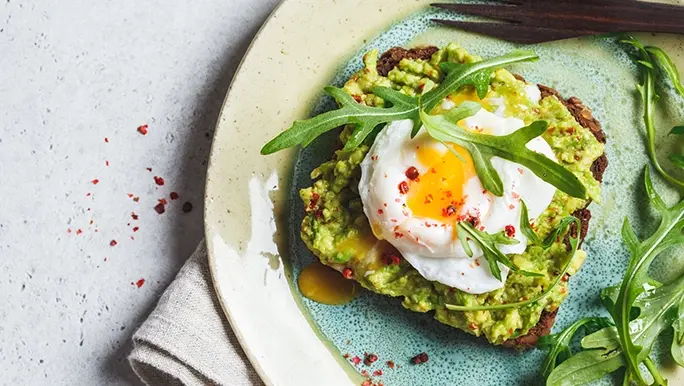
When you’re out of your regular routine, it’s not uncommon to unintentionally have higher FODMAP foods or more than you planned to have. Don’t be hard on yourself, it happens and the best course of action is to relax and resume your normal routine back to your low FODMAP foods and make sure you are getting enough rest and sleep. If you are experiencing uncomfortable gut symptoms like diarrhoea, constipation, stomach pain and/or bloating, try our suggestions to help manage them and contact your healthcare professional for further advice.
Check in on your stress levels

There are many factors that may trigger IBS symptoms beyond FODMAP foods, such as inadequate or poor quality sleep and stress. The silly season can, ironically, be a stressful time for some so it’s important to check in on your stress levels and sleep.
It’s also important to remember that low FODMAP should only be followed for a certain period of time, with the help of a healthcare professional. It is not intended as a life-long diet. If you have been recommended a short term low FODMAP diet by your healthcare professional, they will take you through the elimination phase and then a re-introduction phase to work out which specific FODMAPs are triggering gut symptoms and your individual tolerance. The last phase is the personalisation phase where you will introduce FODMAP foods back into your diet (with the exception of your triggers). This step is important for ensuring you consume a variety of foods that are beneficial for overall health and particularly for the gut microbiome.
Need help with the low FODMAP diet? Our FREE dietitian developed program will guide you through it, step-by-step. Includes a low FODMAP food guide. Sign up now.
If you are experiencing gut symptoms and have not been recommended a low FODMAP diet by a health professional, get started with the manage your gut symptoms program.
Reviewed by Simone Austin, Accredited Practising Dietitian and Chair of the healthylife Advisory Board, December 2022.
Related reads










This article is for informational purposes only and does not provide medical advice, diagnosis, or treatment. Any information published on this website or by this brand is not intended as a substitute for medical advice. If you have any concerns or questions about your health you should consult with a health professional.