


Psyllium husk: What is it & what are its benefits?
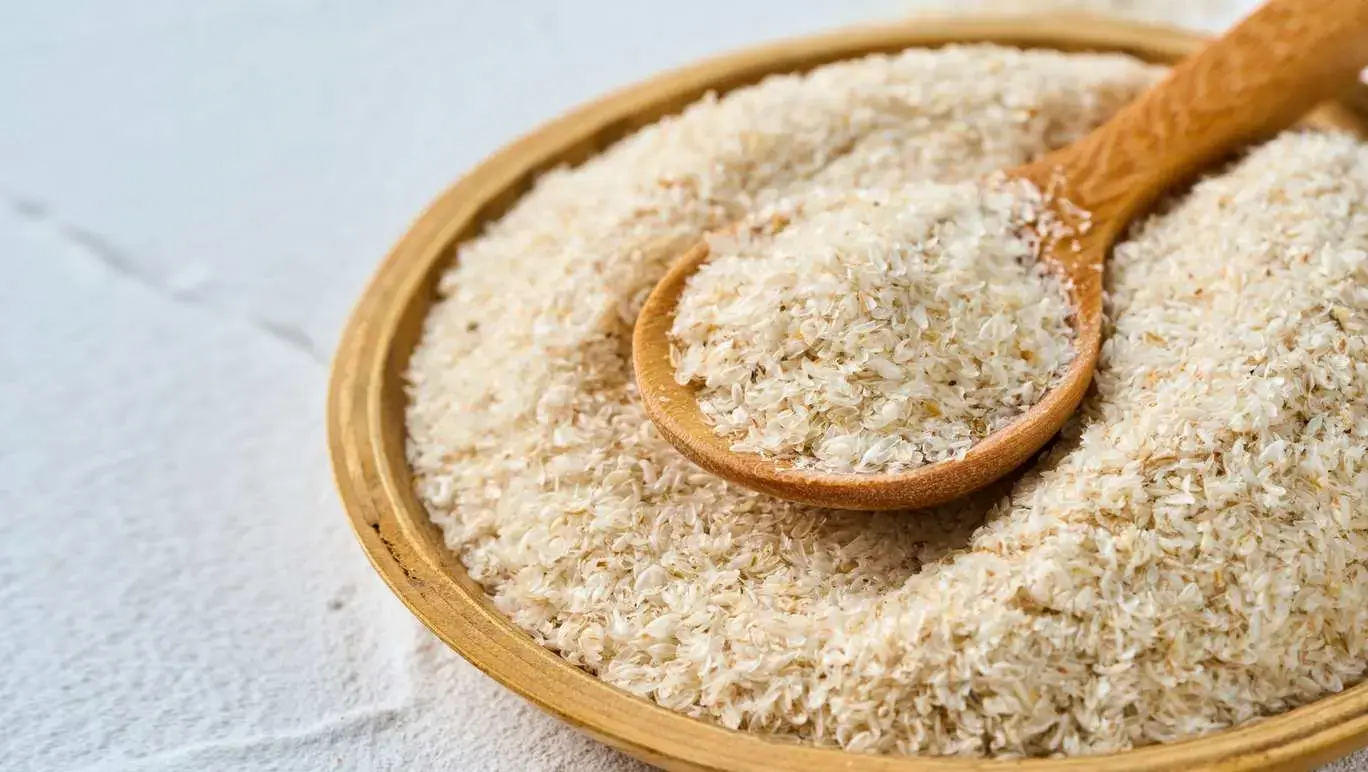
Psyllium husk seems to be everywhere right now. From social media wellness trends to conversations about gut health, cholesterol and weight management, this humble fibre supplement has become increasingly popular. But what exactly is psyllium husk, and does it live up to the hype? The short answer is that for many people, it can be a simple and effective way to increase fibre intake and support digestive and metabolic health.
What is psyllium husk?
Psyllium husk comes from the seeds of the Plantago ovata plant and is rich in a type of soluble fibre.
What makes psyllium unique is its ability to absorb water and form a gel-like substance in the digestive tract. This gel helps slow digestion, soften stools, and influence how nutrients are absorbed.
Unlike some fibre supplements, psyllium is only partially fermented by gut bacteria. This means it may be better tolerated by some people who experience bloating or gas with more highly fermentable fibres.
Benefits of psyllium husk
Digestive health support
One of the most well-established uses of psyllium husk is improving bowel regularity. Because psyllium absorbs water, it can help soften hard stools and make them easier to pass. At the same time, it can add bulk to loose stools, making it useful for a range of digestive concerns.
Research has shown psyllium may help support:
- Constipation
- Mild diarrhoea
- Medically diagnosed irritable bowel syndrome (IBS) symptoms in some individuals
- General bowel regularity
Many people find psyllium provides a gentler approach than stimulant laxatives because it works with your body’s natural digestive processes.
Heart health and cholesterol control
Out of all the fibre sources, psyllium husk has some of the strongest backed scientific research that it helps lower LDL cholesterol. The gel formed by psyllium can bind to bile acids in the gut, encouraging the body to use cholesterol to produce more bile. This process may help lower LDL (bad) cholesterol levels.
Studies suggest that regular psyllium supplementation can produce modest but clinically meaningful reductions in LDL cholesterol, particularly when combined with a healthy eating pattern rich in vegetables, legumes, whole grains and healthy fats.
For people looking to improve heart health naturally, increasing soluble fibre intake is often one of the first dietary strategies recommended.
Weight management
When it comes to weight loss and weight management, psyllium husk may play a supportive role for some people. While psyllium isn’t a magic solution, there is some science behind its role in appetite regulation.
When mixed with water, psyllium expands and forms a gel in the stomach. This may help:
- Increase feelings of fullness
- Slow stomach emptying
- Reduce hunger between meals
- Support portion control
Some studies have shown that soluble fibres such as psyllium can help reduce overall energy intake and support modest weight loss when combined with broader lifestyle changes.
Importantly, psyllium works best as part of a balanced approach that includes adequate protein, regular physical activity and an overall nutritious eating pattern.
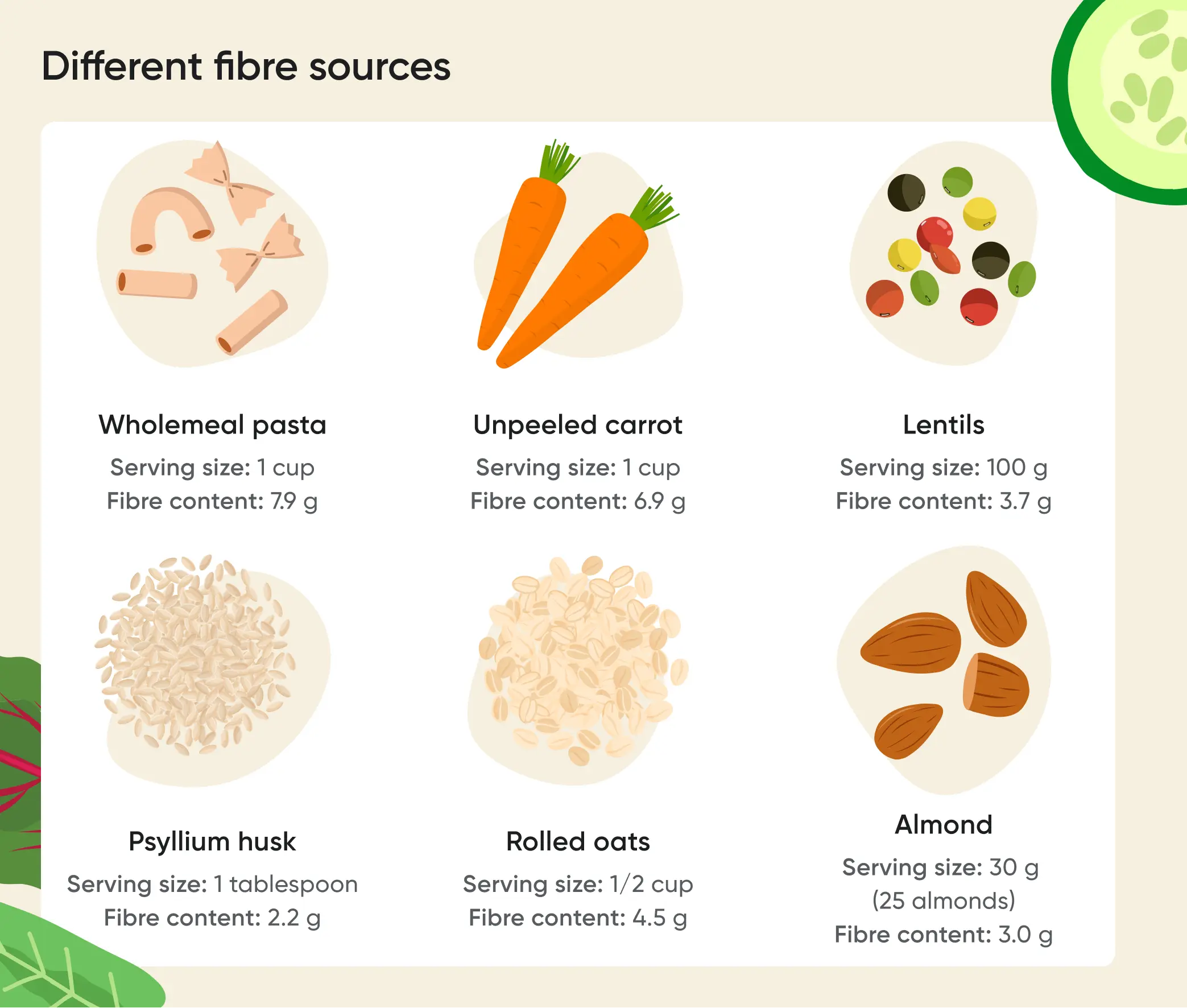
Helps close the fibre gap
Most Australians don’t consume enough fibre. Current recommendations are approximately:
- Women: 25g per day
- Men: 30g per day
However, many adults consume significantly less than this.
Psyllium can be a convenient way to increase daily fibre intake, particularly for people who struggle to eat enough whole grains, legumes, fruits and vegetables.
Should you take psyllium husk?
Psyllium can be a useful tool for many people, particularly those who:
- Experience constipation or irregular bowel habits
- Have elevated cholesterol levels
- Want additional support with appetite management
- Need help increasing their overall fibre intake
However, psyllium should complement, not replace, a fibre-rich diet. Wholefoods provide additional nutrients, antioxidants and beneficial plant compounds that supplements cannot replicate.
How much psyllium husk should you take per day?
Typical doses that are well tolerated range from 5-10 grams up to three times per day, often divided into one or two servings. The exact amount may vary depending on the product and the intended use. Always follow the instructions on the product label.
How much should you start with?
Start low and increase gradually.
A good starting point is 1 teaspoon (approximately 3–5g) daily. After a week, this can be increased if needed. As always, ask your health professional for a specific dose for you.
Most importantly, psyllium should always be taken with plenty of water. Not enough fluid intake may increase the risk of digestive discomfort or obstruction.
How to use psyllium husk?
Psyllium husk is versatile and easy to incorporate into your routine.
Try adding it to:
- Smoothies
- Yoghurt
- Overnight oats
- Porridge
- Homemade protein balls
- Muffins and baked goods
Many people simply mix it into a large glass of water and drink it immediately before it thickens.
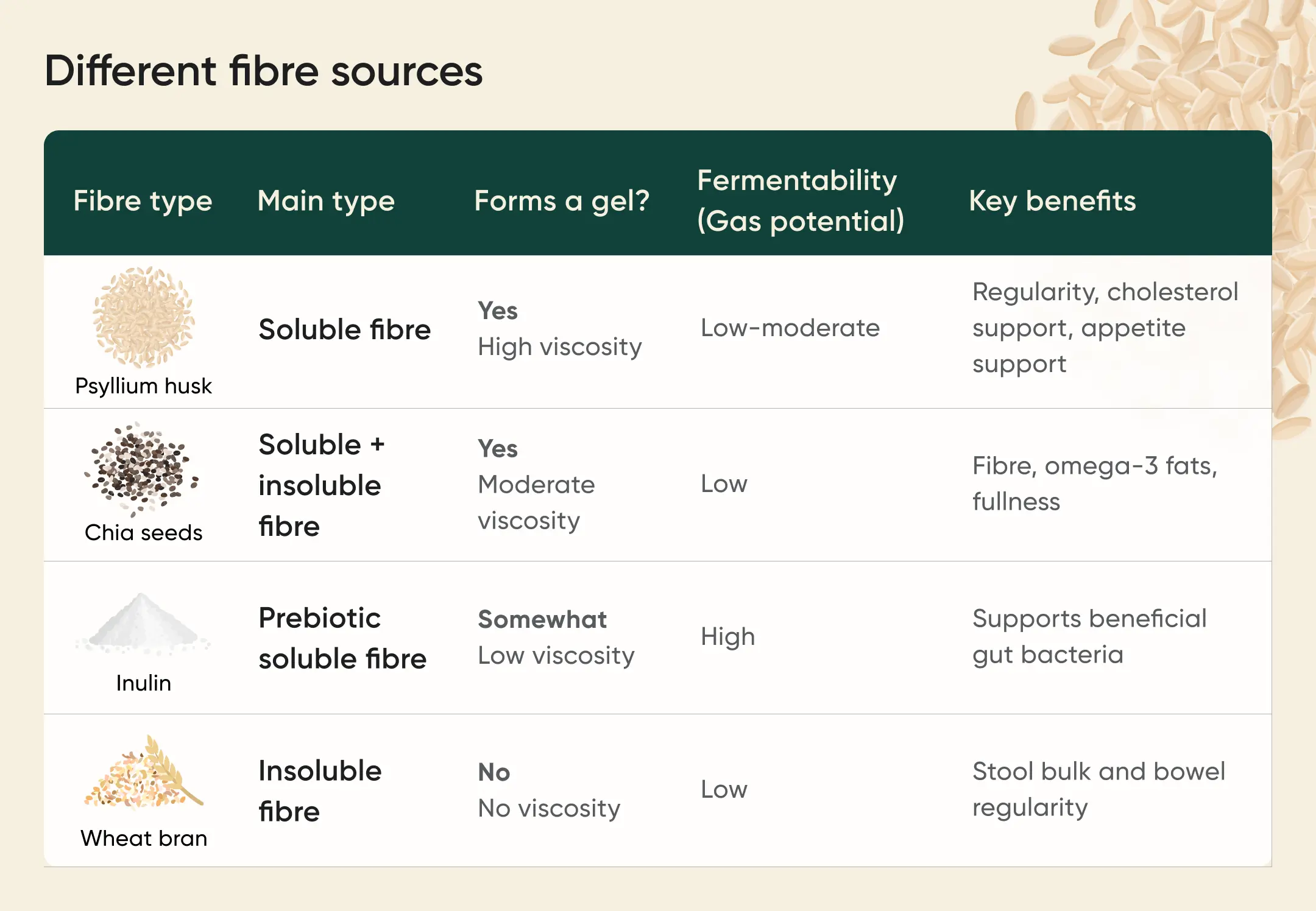
How psyllium husk compares to other fibre types?
Different fibre sources provide different benefits.
When to speak to a health professional
Before starting psyllium husk, speak with a health professional if you:
- Have difficulty swallowing
- Have a bowel obstruction or significant gastrointestinal condition
- Are taking medications that may interact with fibre supplements
- Experience persistent digestive symptoms
- Have unexplained changes in bowel habits
It’s also important to separate psyllium from some medications, as fibre may affect absorption. Your pharmacist can advise on appropriate timing.
The bottom line
Psyllium husk is one of the most researched fibre supplements available. It can support digestive health, help lower LDL cholesterol, improve feelings of fullness and contribute to overall fibre intake.
For many people, it offers a simple and practical way to support gut and metabolic health. However, it works best when combined with a balanced diet rich in whole plant foods and healthy lifestyle habits.
If you’re unsure whether psyllium is right for you, speak to a r healthcare professional for personalised advice.
Reviewed by the Healthylife health experts August 2026.
Related reads











This article is for informational purposes only and does not provide medical advice, diagnosis, or treatment. Any information published on this website or by this brand is not intended as a substitute for medical advice. If you have any concerns or questions about your health you should consult with a health professional.
About this article

Sarah Gray
Sarah Gray, The Nutrition Pharmacist, is a Melbourne-based Registered Pharmacist and Nutritionist with 15+ years of experience across community pharmacy, health education, and integrative health care. Her ultimate goal is to make a difference in the health journeys of many. Passionate about integrative health, Sarah has over 10 years of experience educating emerging practitioners in pharmacy practice and integrated pharmacology.