


Starting young: The benefits of probiotics and prebiotics for toddlers

Key Points
- Research suggests probiotics may help with managing allergies, particularly eczema.
- The probiotic lactobacillus (LGG) may be helpful when children go to daycare as it may reduce the severity of respiratory infections.
- Prebiotics for toddlers are beneficial and may improve health by increasing calcium and magnesium absorption and producing vitamin K.
Toddlers. They are busy little humans. Always running here or there, making new discoveries every day. As their caregivers, we want to make sure they get the best start in life. The question is: how do we do that?
Here, we look at one way to keep our little ones on the best path – by exploring the benefits of probiotics and prebiotics for toddlers.
What are the benefits of probiotics for toddlers?
Evidence and research are constantly evolving, but what we do know is that probiotics are live microorganisms that may contribute to improved gut and immune health.
Dietitian Kate Agnew says paediatric research shows, depending on the particular strain, benefits of probiotics for toddlers may include:
- relief from constipation (by increasing stool frequency)
- help with antibiotic-associated diarrhea (by reducing the duration)
- overall gut health and immune support
- improved lactose digestion
“Evolving research suggests that probiotics may help with managing allergies, particularly eczema, but it’s important to note that there are a number of factors that may affect allergies,” Kate says. “Probiotics may also reduce the symptoms of lactose intolerance when consumed as yoghurt or fermented milk.”
Can probiotics help support immunity for toddlers starting daycare?
Navigating those first months at daycare and the sickness that may come with it can be challenging. As a caregiver, finding the right tools to help ward off illness is like finding gold.
Lactobacillus (LGG) may be particularly useful when children go to daycare as research suggests it may reduce the severity of respiratory infections.
Kate says additional research has shown that probiotics may also support a developing immune system. “Remember that probiotics are strain-specific, so it’s important to discuss this with your healthcare professional to choose the correct probiotic for you or your child,” she adds.

Probiotics may help treat gastro and prevent antibiotic-associated diarrhea
Can probiotics help alleviate specific health conditions in toddlers?
Kate says the probiotic strains lactobacillus rhamnosus GG (LGG) and saccharomyces boulardii have been well researched and show promising results in treating gastro and preventing antibiotic-associated diarrhea.
What are the best sources of probiotics for toddlers?
Lactobacillus and bifidobacterium are the most common groups of probiotics when it comes to research and the availability of product ranges that cater for the different age groups.
Kate says it’s important to understand probiotics are available through the diet, as well as through supplements. Fermented foods like yoghurt and kefir with live cultures are a great way to incorporate probiotics and are a source of dairy with protein and calcium to help with growth.

Bananas are a good source of prebiotics, with play an important role in gut health for toddlers
How important are prebiotics for toddlers?
As with probiotics, there is growing research to show that prebiotic foods have a role to play in gut health. So, what’s the difference?
A form of fibre, prebiotics pass into the large intestine undigested and then feed the ‘good’ bacteria to help them thrive. This good bacteria can improve health by supplying essential nutrients, aiding digestion, increasing calcium and magnesium absorption and producing vitamin K, which promotes healthy bone tissue.
Many foods are naturally high in prebiotics, but toddler-winning suggestions include:
- Bananas or apples – slice and add to yoghurt, or drizzle with a little bit of honey.
- Tomatoes – fresh or cooked, serve as an easy finger food or add to casseroles and pasta sauces.
- Chickpeas are a great source of prebiotics for toddlers – try hummus with wholegrain crackers or vegetable sticks.
Research shows these non-digestible carbohydrates can help shape a young child’s gut microbiome.
Overall, Kate says it's important to offer toddlers meals that include all five main food groups. “Meals and snacks that contain a wide variety of vegetables, legumes, fruit and grains will ensure prebiotics that feed the gut bugs and help to increase diversity, which we know is important for gut health.”

Fermented foods like yoghurt are a good source of probiotics for toddlers
A healthy future
While research suggests that probiotics are safe and well-tolerated in children, there may be risks for those who are ill or immunocompromised. Remember to speak with your healthcare professional for tailored advice. To find out more about the benefits of probiotics for toddlers, read our guide, Prebiotic and Probiotic Power.
Related:
- What are the worst foods for gut health?
- What is the best fruit for gut health?
- Can your gut health affect your skin?
Kate Agnew is an Accredited Practising Dietitian who is passionate about innovation and problem-solving in health & nutrition. Her goal is to ultimately create a healthier environment for all Australians.
Reviewed by Healthylife health experts September 2023.
Related reads


Gut health for kids: Why it’s key to overall wellbeing
Gut health might not be one of the first things that comes to mind when thinking about your kid’s overall wellbeing, but it should be! A healthy gut does way more than just digest food. It helps support the immune system, brain function, and even mood.
Are fermented foods the key to good gut health?
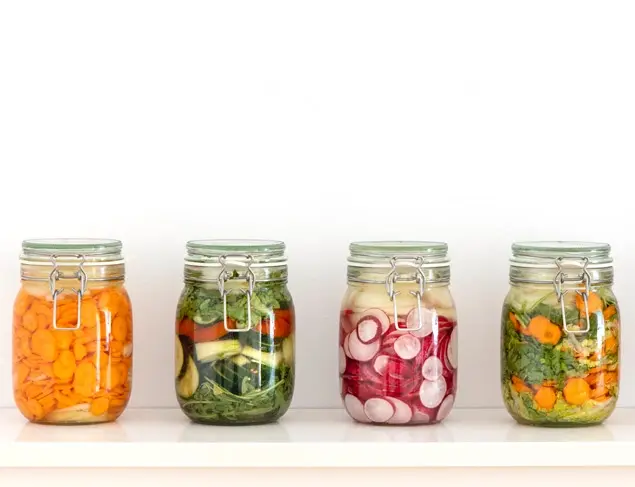
Fermented foods have been around for ages, but what do they do for gut health? Let’s ask the expert.

What exactly are prebiotics?
Curious about prebiotics? No, that’s not a typo. They are different from probiotics, and just as handy.

Postbiotics: what are they and are there health benefits?
Ever heard of postbiotics? Yep, they’re a thing. Learn about the difference between probiotics and prebiotics and how you can get more postbiotics into your diet through the foods you eat.

A guide to probiotic supplements in Australia
Naturopath Gabbie Watt shares the lowdown on probiotics, what they are, when to take them. We also share a guide to 6 different probiotics in Australia.

Probiotics and pregnancy: what you need to know
Research on the role of probiotics and our gut health is still evolving. If you’re pregnant and thinking about taking probiotics, there is some key information you need to know.

Prebiotic foods: 5 tasty foods to add to your plate
Did you know many foods are rich in prebiotics, which have a range of potential health benefits? So what is a prebiotic and how do they help your body? Discover more in our latest article.

Prebiotic vs Probiotic: What’s the difference and do we need both?
Prebiotics, probiotics and even postbiotics – it can be confusing to know the difference and how they may benefit your health. In our latest article we share the answers with the help of dietitian, Kate Agnew.

What you can do to support your gut health
Learn more about the importance of gut health and get tips on diet and lifestyle measures you can take to improve your overall gut health.

Synbiotics: What are they and are there health benefits?
Synbiotics are a combination of prebiotics and probiotics. Synbiotics were created to help the survival of probiotics in the gastrointestinal tract and although prebiotics and probiotics can work alone, they do perform very well as a team.
This article is for informational purposes only and does not provide medical advice, diagnosis or treatment. Any information published on this website or by this brand is not intended as a substitute for medical advice. If you have any concerns or questions about your health, you should consult with a health professional.